When Floodwaters Rise, Your AC System Is at Risk
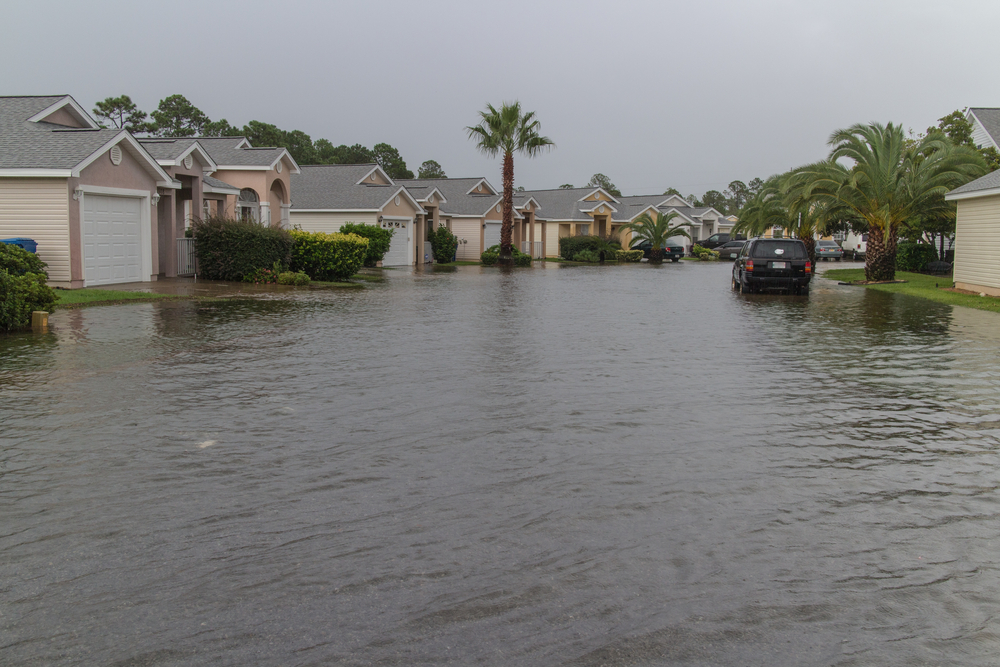
Miami storms are no joke. If your AC gets flooded after a storm, you may be dealing with far more than just a temporary power outage. Storm surges, heavy rains, and flash flooding can leave your air conditioning system damaged, moldy, or even completely inoperable.
But here’s where many homeowners make a costly mistake: they try to turn the system back on too soon.
Doing so can result in short circuits, mold growth, and total system failure. If your AC was flooded after a storm, follow this step-by-step guide to protect your home, your health, and your investment.
Step 1: Turn Off the Power at the Breaker
Before inspecting anything, shut off the power at the breaker box—even if your AC is already off at the thermostat.
Why? Because flooded AC components can still hold electrical current, and once power is restored, it may short-circuit or pose a fire hazard.
✅ Safety first.
Step 2: Inspect the AC Unit for Flood Damage
Once the area is safe, do a visual inspection of the outdoor condenser unit from a distance. Ask yourself:
-
Is there standing water around or under it?
-
Does the unit appear tilted or sunken?
-
Are any wires or panels exposed?
-
Do you see leaves, dirt, or debris inside?
Take photos of any visible damage. These will be crucial for insurance claims or when speaking with your HVAC technician.
Step 3: Don’t Power It Back On
Even if floodwater has receded, do not turn the AC system back on. Moisture may still be trapped in the internal components, including the:
-
Wiring
-
Compressor
-
Fan motors
Turning on a flooded AC unit after a storm may:
-
Cause a short circuit
-
Lead to permanent system damage
-
Spread moldy or contaminated air into your home
Step 4: Call a Licensed HVAC Technician
This is definitely not a DIY job. You need a licensed professional to:
-
Disassemble and dry the internal components
-
Replace wet insulation and air filters
-
Test wiring, fuses, and electronics
-
Confirm it’s safe to restore power
👉 At Living Air, Inc., we specialize in post-storm HVAC inspections across the Miami area.
Step 5: Monitor for Mold or Odors
Once your AC is safely running again, be alert for signs of mold and moisture:
-
Musty smells
-
Weak airflow
-
Increased indoor humidity
Floodwaters can introduce bacteria and mold spores into your AC ductwork. If needed, consider duct cleaning or installing UV lights to purify the air.
Learn more about UV HVAC technology here (source: ACHR News).
Will Insurance Cover a Flooded AC Unit?
It depends on your policy. Most standard homeowners insurance does not cover flood damage, but you may have coverage for electrical storm damage or backups.
That’s why it’s so important to:
-
Take photos
-
Get a professional inspection report
-
Contact your insurance provider immediately
A Quote to Reflect On
As Maya Angelou said:
“Hoping for the best, prepared for the worst, and unsurprised by anything in between.”
Storms are unpredictable—but your AC recovery plan doesn’t have to be. Knowing what to do when your AC gets flooded after a storm can save you from costly repairs and serious health risks.
Takeaway: If Your AC Gets Flooded After a Storm, Act Fast—But Don’t Guess
If your AC was flooded after a storm, don’t rush to turn it back on. Taking the right steps will help you:
-
Stay safe
-
Prevent costly damage
-
Maintain clean, breathable air in your home
📞 Need Post-Flood AC Help in Miami?
Living Air, Inc. is licensed, insured, and experienced in handling storm-damaged AC systems. We’re here when you need us most.
📧 Email: Livingair@ymail.com
📞 Phone: 305-233-9669
🏠 Address: 8865 SW 131st Street, Miami, FL 33176