Hurricanes Indoor Air Quality: How to Protect Your Home During Storm Season
During hurricane season in Miami, hurricanes indoor air quality becomes a major concern—yet most people only think about physical damage like windows and roofs. But what about the air you breathe inside your home?
Power outages, water damage, and high humidity don’t just threaten your comfort—they can drastically reduce indoor air quality (IAQ). Poor IAQ can trigger allergies, worsen asthma, and lead to serious respiratory issues.
If you’re sheltering indoors during a storm, what you breathe matters more than ever.
How Hurricanes Affect Indoor Air Quality
Storms do more than knock down trees. They create indoor air hazards such as:
-
Mold spores from leaks, floods, and excess humidity
-
Dust and debris stirred up by high winds or broken ducts
-
Off-gassing from soaked carpets, drywall, or furniture
-
Poor ventilation due to closed windows and loss of AC power
When your HVAC system stops working during a storm, the lack of air circulation allows these pollutants to build up quickly—making hurricanes indoor air quality even worse.
7 Steps to Protect Indoor Air Quality During and After Hurricanes
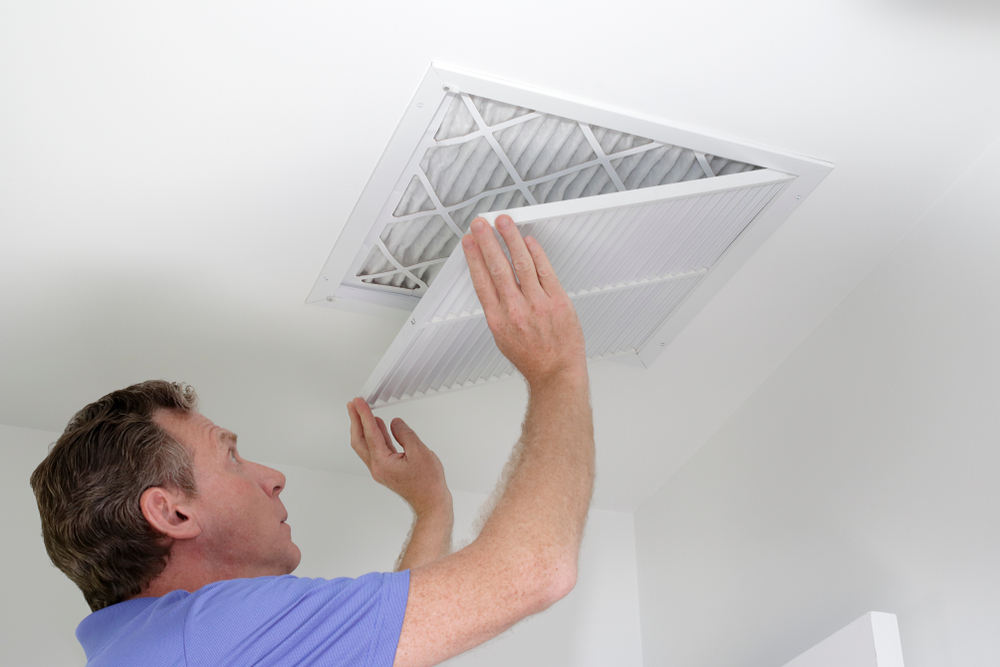
1. Replace Your Air Filters Before the Storm
A clean air filter improves airflow and traps more particles. Use a MERV 8–13 rated filter for the best results before hurricane conditions hit.
2. Add a Dehumidifier
Hurricanes bring extreme humidity, which leads to mold. A dehumidifier helps maintain healthy humidity levels and supports better indoor air quality when AC systems fail.
3. Seal Gaps Around Windows and Doors
Air leaks invite moisture and pollutants. Caulking and weatherstripping keep contaminants out during high winds and rain.
4. Install a UV Light in Your HVAC System
UV lights neutralize mold, bacteria, and viruses inside your HVAC unit—especially critical after a storm.
5. Inspect Ductwork for Leaks or Mold
After a storm, have a professional check your ducts. Flooding and moisture can lead to hidden mold growth and poor IAQ.
6. Ventilate When It’s Safe
Once the storm passes and outdoor humidity drops, open your windows to flush out stale air and introduce fresh air. Avoid this if there’s visible mold or poor outdoor air quality.
7. Clean or Replace Water-Damaged Materials
Soaked carpets, drywall, or insulation can foster mold. Remove or replace these materials immediately to protect indoor air quality after hurricanes.
Bonus Tip: Use a HEPA Air Purifier
Place a portable HEPA air purifier in your most-used room. It can capture mold spores, allergens, and fine particles, especially when your HVAC is compromised by storm damage.
Why Hurricanes Indoor Air Quality Should Be a Priority
As Hippocrates said: “Air, water, and cleanliness are the chief articles in my pharmacy.”
That holds true today—especially when storms challenge the cleanliness and safety of your indoor air.
Take Action Before the Next Storm Hits
You can’t control the storm, but you can control your air. With a few smart upgrades and some storm-season prep, your home can remain a safe and healthy space.
✅ Need Help Improving Indoor Air Quality?
At Living Air, Inc., we help Miami homeowners protect their homes before and after storms. From UV light installations to dehumidifier setups and post-hurricane duct inspections, we’ve got you covered.
📧 Email: Livingair@ymail.com
📞 Call: 305-233-9669
🏠 Visit: 8865 SW 131st Street, Miami, FL 33176
Related Reading
-
How to Improve Indoor Air Quality in Your Miami Home (EPA resource)
-
Preparing Your HVAC for Hurricane Season (U.S. Department of Energy)